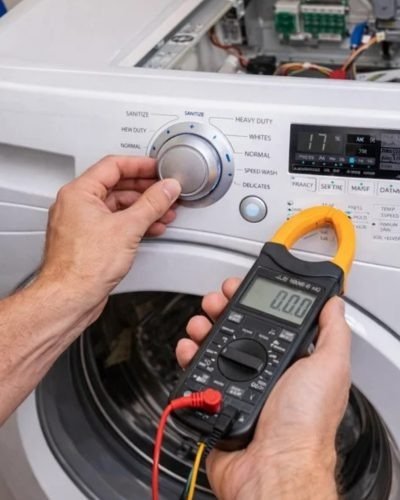
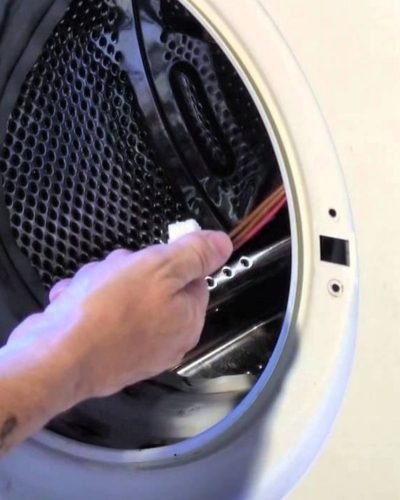
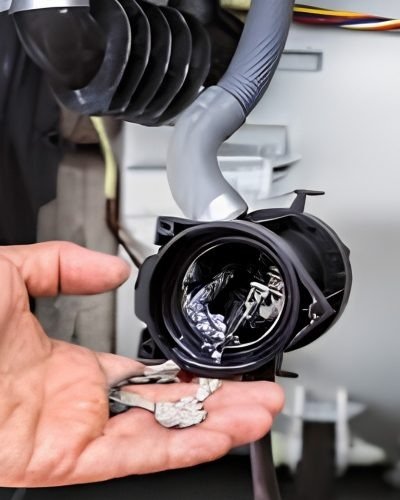
A machine that fills, washes and rinses normally but won't spin properly is one of the more confusing faults for homeowners, because everything up to that point seems fine. The spin cycle is actually the most demanding stage for the machine - it needs to reach high RPM smoothly, which means the motor, drive system, balance sensors and drainage all need to be working correctly together. When spin fails or underperforms, the cause is often one of a handful of well-understood issues rather than a mystery fault.
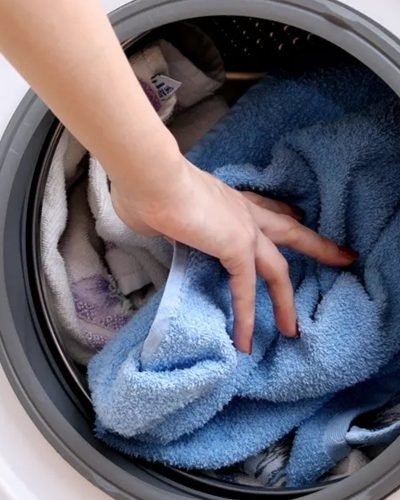
Most machines refuse to reach full spin speed - or stop partway - if the load-balance sensor detects weight isn't distributed evenly in the drum, as a safety measure.
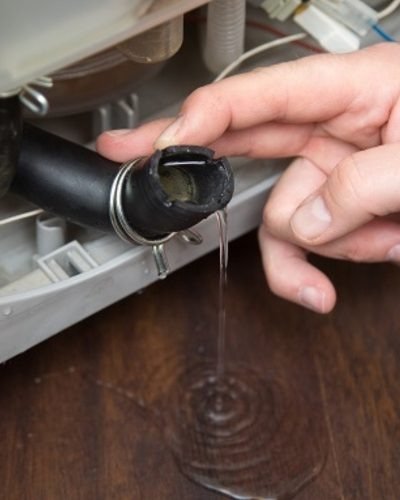
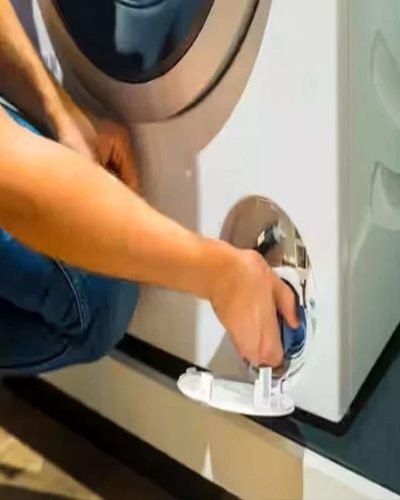
Many machines won't engage spin until the previous drain stage has fully completed - standing water from a blocked filter can silently prevent spin from ever starting.
On brushed motors, worn brushes reduce torque specifically at the higher speeds spin requires, even though they still have enough power for the wash cycle's gentler agitation.
A belt that's slightly worn or loose may still turn the drum at low wash speed but slip under the higher load of spin, causing the drum to spin slowly or not reach top speed.
This sensor reports drum speed back to the control board; if it misreports, the board can cut the spin cycle short as a false safety response.
Call a technician when: spin still won't engage with a balanced load and confirmed drainage, the motor sounds strained or labored when spin attempts to start, or the drum spins but never reaches a speed that actually extracts water from the clothes - these point to a motor, belt, or sensor fault rather than a load or drainage issue.
UE (unbalance) codes are the most common spin-related complaint on these direct-drive brands, often tied to worn suspension springs rather than the motor itself after 4-5 years of use.
Precision speed-sensor calibration means even minor sensor drift can prevent these machines reaching top spin RPM well before other symptoms appear.
Carbon brush wear tends to affect spin performance first, since it's the highest-torque demand stage - a weak or slow spin is often the earliest warning sign on these machines.
Where spin cycle repair actually falls on the risk-and-effort scale, compared to the alternatives.
| DIY | Professional Repair | Full Replacement | |
|---|---|---|---|
| Best for | Only the basic checks listed above | Confirmed spin cycle repair faults needing parts or disassembly | Older machines with repeated, unrelated faults |
| Difficulty | Low, if limited to the checks above | N/A — handled by a trained technician | N/A — logistics only |
| Risk level | Low for basic checks; high if you go further without training | Low — diagnosed and warrantied | None (new unit) |
| Time to resolve | Minutes, if the cause is simple | Usually same-day, single visit | 1-3 days (ordering, delivery, install) |
| Recommended for | Confident homeowners tackling the safe checks only | Anyone with a confirmed mechanical, water or electrical fault | Machines already past typical service life |
A fair quote always follows a free or low-cost diagnosis, is confirmed before any work begins, and is backed by a 90-day warranty on parts and labour.
A simple gut-check: if repair cost is under roughly 30-40% of a new equivalent machine and the unit is under 7 years old, repair is almost always the better call.
This usually means the wash motor and fill/drain systems are working, but something is specifically preventing high-speed spin - most often an unbalanced load, incomplete drainage, or a component (belt, brushes, sensor) that only struggles under the higher demand of spin.
Some machines do briefly pause and redistribute an uneven load automatically before resuming spin - that's normal. Repeatedly stopping and never completing spin is not, and points to a genuine fault.
An overloaded or unevenly distributed load is one of the most common causes of a spin failure that looks like a mechanical fault. Try a smaller, balanced load first - if spin still won't engage, it's likely a genuine component issue.
This means spin either didn't engage at all or didn't reach a high enough speed to extract water - both point to the causes above rather than anything wrong with the wash itself.
Rarely. Spin faults are usually a single component - belt, brushes, a sensor, or suspension springs - rather than a sign the whole machine has failed. Replacement only tends to make sense on older units with multiple recent, unrelated faults.
You can as a temporary workaround, but it's not a fix - if spin isn't engaging or reaching full speed, that's a genuine fault that will affect every wash until it's diagnosed and repaired.
Some cycles run at intentionally lower spin speeds by design (delicates, wool), which is normal. If a cycle that should spin at full speed isn't reaching it while others do, that's worth mentioning to the technician, since it can help narrow down a sensor-related cause.
Not necessarily - on its own, a weak spin is usually a specific, repairable component issue. It only becomes a replace-vs-repair question if it's one of several unrelated faults on a machine that's already past 8 years old.
We offer spin cycle repair in 190+ neighbourhoods across all three emirates — from Downtown Dubai and Dubai Marina to Al Nahda Sharjah and Ajman Downtown — with the same upfront pricing, genuine parts and 90-day warranty everywhere we go.
Most spin cycle repair faults trace back to a small, well-understood set of causes rather than a mystery problem, which is why a correct diagnosis on the first visit matters more than anything else in keeping the repair fast and affordable. If your machine is otherwise reliable and under 6-7 years old, repair is almost always the right call; if this is one of several recent faults on an older unit, it's worth weighing that against a replacement using the framework above. Either way, describing the exact symptom — when it happens, what you hear or see, and any code on the display — is the single biggest thing you can do to speed up your visit.